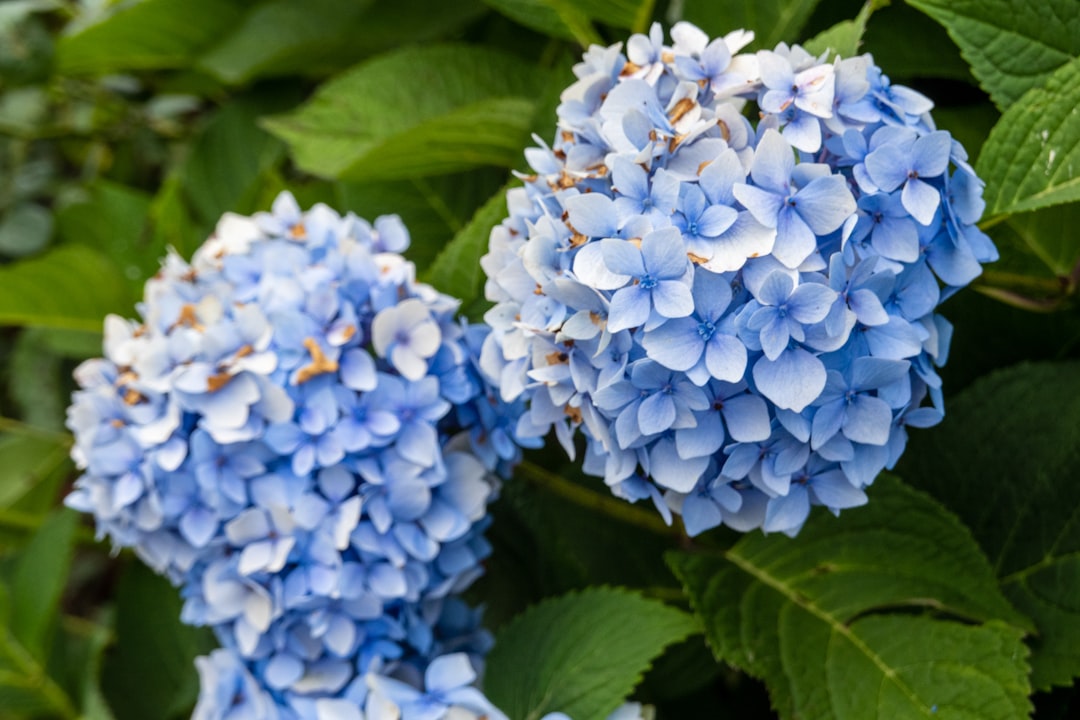
Late summer and fall bring a unique charm to the garden, with the changing colors of leaves and the anticipation of cooler weather. However, it is also the time when a pesky fungal disease sets its sights on hydrangea foliage. This fungal affliction can mar the beauty of these beloved shrubs, but the good news is that while the hydrangea usually recovers, taking preventive measures is far better than dealing with the aftermath.
Hydrangeas are a staple in many gardens, known for their large, showy blooms and lush foliage. But when the fungal disease strikes, it can turn those vibrant leaves into a sad sight. The first sign of the fungal problem is often the appearance of small, circular spots on the leaves. These spots may start off as a light color, but as the disease progresses, they darken and can spread across the entire leaf surface. In severe cases, the leaves may turn yellow, wilt, and eventually drop off the plant.
So, what causes this fungal disease? There are several factors at play. One of the main culprits is high humidity. Late summer and fall often bring with them increased moisture in the air, creating the perfect environment for fungi to thrive. Poor air circulation around the hydrangea can also contribute to the problem. When the leaves are crowded together and there is limited airflow, moisture tends to linger on the foliage, providing a breeding ground for the fungus.
Another factor is improper watering. Over - watering the hydrangeas can lead to waterlogged soil, which in turn can stress the plant and make it more susceptible to diseases. Watering from above, rather than at the base of the plant, can also splash water onto the leaves, spreading the fungal spores and increasing the risk of infection.
Now, let's delve into the preventive measures. First and foremost, proper plant spacing is crucial. When planting hydrangeas, make sure to give them enough room to grow. This allows for better air circulation around the plants, reducing the chances of moisture buildup on the leaves. A general rule of thumb is to space the hydrangeas at least 3 - 5 feet apart, depending on the variety.
Pruning is another important step. Regularly prune the hydrangeas to remove any dead, diseased, or overcrowded branches. This not only improves air circulation but also helps to remove any potential sources of fungal infection. When pruning, make sure to use clean, sharp tools to prevent the spread of diseases. After each cut, wipe the tools with a disinfectant such as rubbing alcohol.
Watering practices need to be adjusted as well. Water the hydrangeas at the base of the plant, preferably in the morning. This allows the soil to absorb the water and gives the leaves time to dry before nightfall. Avoid watering in the evening, as the cool, damp conditions overnight can promote fungal growth. Also, be careful not to over - water. Check the soil moisture regularly by sticking your finger about an inch into the soil. If it feels dry, it's time to water; if it's still moist, hold off.
Applying a layer of mulch around the base of the hydrangea can also be beneficial. Mulch helps to retain soil moisture, regulate soil temperature, and prevent weed growth. However, make sure to keep the mulch a few inches away from the trunk of the plant to prevent moisture buildup and potential rot. Organic mulches such as shredded bark or compost are great options.
In addition to these cultural practices, there are also some natural remedies that can help prevent the fungal disease. One such remedy is the use of a baking soda spray. To make this spray, mix 1 tablespoon of baking soda, 1 tablespoon of horticultural oil, and 1 gallon of water. Spray this solution on the leaves of the hydrangea every 7 - 10 days, especially during periods of high humidity or when the disease is prevalent in the area. The baking soda helps to create an alkaline environment on the leaf surface, which is unfavorable for fungal growth.
Neem oil is another natural option. Neem oil has antifungal and insecticidal properties. Dilute neem oil according to the manufacturer's instructions and spray it on the hydrangea leaves. This can help to prevent the fungal disease and also keep other pests at bay.
If, despite your best efforts, the fungal disease still appears on your hydrangeas, it's important to take action quickly. Remove any infected leaves immediately and dispose of them in the trash, not in the compost pile. This helps to prevent the spread of the disease. You can also apply a fungicide, but make sure to choose one that is specifically formulated for hydrangeas and follow the instructions carefully.
In conclusion, while the fungal disease that affects hydrangea foliage in late summer and fall can be a nuisance, it is definitely manageable. By following these preventive measures and taking prompt action when needed, you can keep your hydrangeas healthy and beautiful throughout the season. Remember, a little bit of prevention goes a long way in maintaining a thriving garden.