Annual flowers bring a burst of color and life to any garden, and calibrachoa is one of the most charming and versatile annuals out there. In this guide, we'll delve into the basics of calibrachoa care so that you can keep this low - growing, colorful plant thriving throughout the entire season.
1. Understanding Calibrachoa
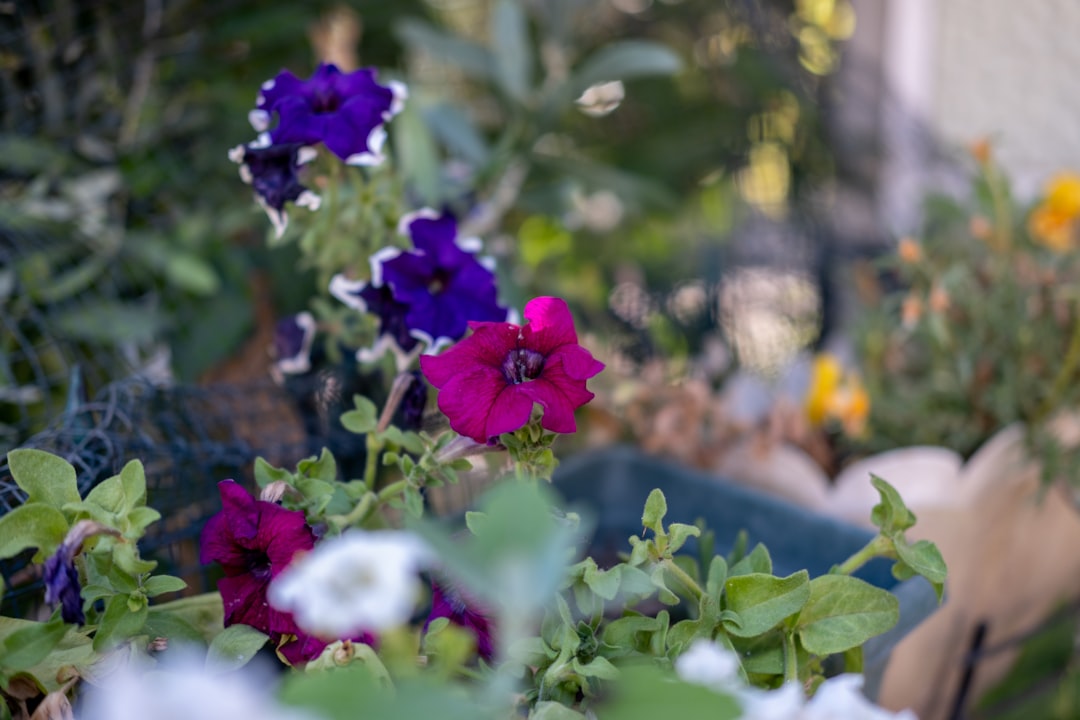
Calibrachoa, often referred to as million bells, is a relative of the petunia. It features small, trumpet - shaped flowers that come in a wide range of colors, including pink, purple, red, yellow, and white. These plants are known for their profuse blooming, which can cover the entire plant in a carpet of color. They are great for hanging baskets, window boxes, and as border plants in flower beds.
2. Planting Calibrachoa
Location: Calibrachoa loves sunlight. Choose a location that receives at least 6 hours of direct sunlight per day. However, in extremely hot climates, some afternoon shade can prevent the plant from getting stressed. If you're growing them in containers, make sure they are placed in a spot where they can soak up the sun.
Soil: Well - drained soil is essential for calibrachoa. A high - quality potting mix is ideal for container - grown plants. If you're planting them in the ground, amend the soil with compost or peat moss to improve drainage. The soil should be slightly acidic to neutral, with a pH range of 5.5 to 7.0.
Spacing: When planting calibrachoa in the ground, space them about 8 - 12 inches apart. This gives them enough room to spread and grow without overcrowding. In containers, you can plant them closer together for a more lush look, but make sure there is still adequate air circulation.
3. Watering
Calibrachoa has moderate water needs. Water the plants when the top inch of soil feels dry to the touch. Over - watering can lead to root rot, so it's important not to let the plant sit in waterlogged soil. In hot, dry weather, you may need to water more frequently, especially if the plants are in containers. When watering, aim for the base of the plant to keep the foliage dry and prevent diseases.
4. Fertilizing
To keep calibrachoa blooming profusely, regular fertilizing is necessary. Use a balanced, water - soluble fertilizer every 2 - 3 weeks during the growing season. You can also use a slow - release fertilizer at the time of planting. Look for fertilizers with a higher phosphorus content, as this promotes flower production. However, be careful not to over - fertilize, as this can lead to excessive foliage growth at the expense of flowers.
5. Pruning and Deadheading
Deadheading: Removing spent flowers, or deadheading, encourages the plant to produce more blooms. Simply pinch off the faded flowers at the base of the stem. This not only keeps the plant looking tidy but also redirects the plant's energy towards new flower production.
Pruning: If your calibrachoa starts to look leggy or overgrown, you can give it a light pruning. Trim back the stems by about one - third to promote bushier growth. Pruning is best done in the early part of the growing season or after a major flush of blooms.
6. Pests and Diseases
Pests: Calibrachoa can be susceptible to aphids, spider mites, and whiteflies. Regularly inspect your plants for signs of pests, such as distorted leaves or a sticky residue. You can use insecticidal soap or neem oil to control these pests. Make sure to follow the instructions on the product label carefully.
Diseases: Common diseases that affect calibrachoa include powdery mildew and root rot. To prevent powdery mildew, ensure good air circulation around the plants and avoid getting the foliage wet when watering. For root rot, make sure the soil has proper drainage. If you notice signs of disease, remove the affected parts of the plant and treat with an appropriate fungicide.
7. Winter Care
Calibrachoa is an annual plant, which means it typically doesn't survive the winter in cold climates. However, in milder regions, you can try overwintering them indoors. Before the first frost, dig up the plants and pot them. Place them in a cool, bright location, such as a sunny windowsill. Reduce watering and stop fertilizing during the winter months. In the spring, you can gradually acclimate them to the outdoors again.
In conclusion, with proper care and attention, calibrachoa can be a beautiful addition to your garden. By following these basic care guidelines, you can enjoy a season - long display of colorful, low - growing flowers that will brighten up any outdoor space.